
.svg)


How Much Does a Hysterectomy Cost in Australia?
How Much Does a Hysterectomy Cost in Australia?





Written by
Tina Sendin
Edited by
Andrew Kemp
Reviewed by
Andres GutierrezCompare Health Insurance Policies
Save time and effort by comparing a range of Australia’s health funds with iSelect

What is a hysterectomy?

Long story short
Going public saves money, but costs time
If you have a Medicare card, a hysterectomy in a public hospital is free. The catch? You may face a months-long waiting list.
Private surgery offers speed and choice
Going private gives you the choice of specialist and timing. The trade-off is the cost, though health insurance can help soften the blow.
Expect a gap even with cover
While private health insurance covers the heavy lifting, most patients still face out-of-pocket costs – ranging from $500 to $1,000.
You need specific cover to claim
Hysterectomy usually falls under the ‘Gynaecology’ clinical category, which is generally covered under bronze policies and higher.
What is a hysterectomy?
A hysterectomy is a major surgical procedure involving the removal of the uterus (or womb) that’s normally done with a general anaesthetic, although alternative anaesthetics can be used. It’s one of the most common elective procedures performed in Australia and is usually performed when simpler treatments don’t work.
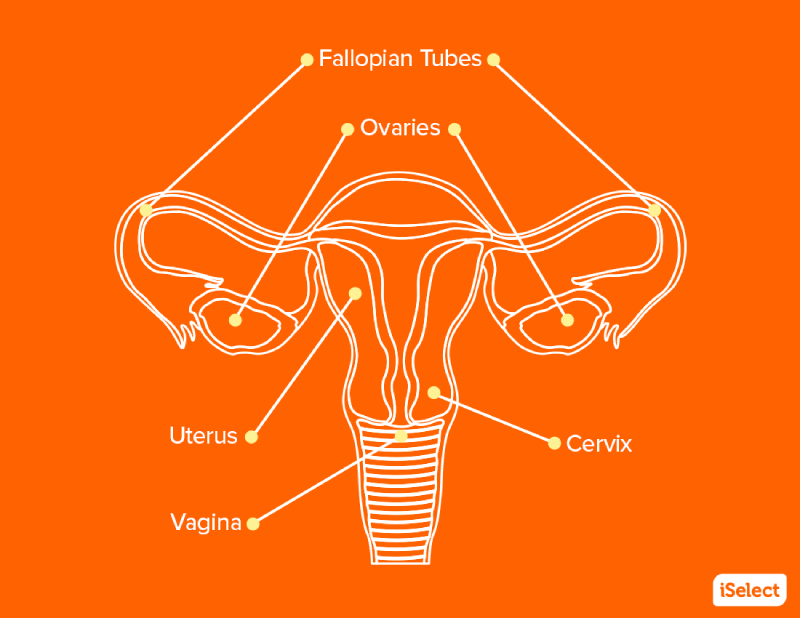
Women and gender-diverse people usually consider this route to treat serious ongoing issues like:
- gynaecological cancers (such as of the uterus, cervix, tubes, or ovaries)
- heavy or painful periods
- severe chronic pelvic pain (like endometriosis or adenomyosis)
- pelvic inflammatory disease
- fibroids (benign tumours)
- uterine prolapse.
A hysterectomy might also be performed with an oophorectomy (the removal of one or both ovaries) and a salpingectomy (the removal of one or both fallopian tubes).
What are the different types of hysterectomy?
Depending on your medical needs, a hysterectomy might also involve removing the cervix, ovaries, or fallopian tubes.

Partial hysterectomy
Your doctor removes your uterus while your cervix remains intact.
Total hysterectomy
The uterus and cervix are removed, but your ovaries remain.
Total hysterectomy with salpingo-oophorectomy
Your doctor removes your uterus along with one or both of your ovaries and fallopian tubes.
Radical hysterectomy
Your doctor removes the entire uterus, tubes, ovaries, cervix, the upper part of the vagina, and takes samples of surrounding abdominal tissue. This type of hysterectomy is usually done in cases of gynaecological cancer.
How’s a hysterectomy performed?
A hysterectomy can be done in different ways:
Abdominal hysterectomy
This is when the uterus is removed through an incision in the lower belly – usually on the ‘bikini’ line or downwards from your belly button (or sometimes above it).
Vaginal hysterectomy
This involves removing the uterus through the vagina, leaving no visible scar.
Laparoscopic hysterectomy
Laparoscopy, often called ‘keyhole surgery,’ is a minimally invasive procedure that involves making small incisions in the abdomen. The doctor will then insert a lighted telescope (the laparoscope) and other small surgical instruments, while also gently inflating the abdomen with carbon dioxide gas to make it easier to operate. The uterus is then removed via the vagina.
Robotic hysterectomy
In a robotic hysterectomy, your doctor controls tiny robotic arms that are inserted through small cuts in your abdomen.
While similar to a laparoscopic hysterectomy, the main difference is that the doctor uses a console to control robotic tools rather than manipulating them directly. Only a limited number of gynaecologists in Australia are trained to perform this specialised kind of surgery.
What’s the cost of a hysterectomy?
The price of a hysterectomy isn’t fixed – it varies based on factors like whether you choose the public system or private healthcare.
Does Medicare cover a hysterectomy in Australia?
Yes, it does. If you are an Aussie resident with a Medicare card, a hysterectomy could be covered.
In a public hospital, Medicare covers 100% of the costs. You won’t pay for the surgery, the anaesthetist, or your hospital stay.
In a private hospital,Medicare covers 75% of the Medicare Benefits Schedule (MBS) fee for the doctor’s services. Your private health insurer typically covers the remaining 25% of the schedule fee, plus accommodation and theatre costs.
However, doctors sometimes charge more than the MBS fee, which is where out-of-pocket costs creep in. The difference between what the doctor charges and what Medicare and your health fund cover is called the gap – and you’ll have to shoulder this, unfortunately.
Will private health insurance cover a hysterectomy?
Yes, private health insurance could cover a hysterectomy. Hospital cover could help take care of some (or all) of the costs of the medical procedure.
Let’s have a look at 2023–24 data from the Australian Government’s Medical Costs Finder to see how much private patients typically paid:
The cost of various types of hysterectomy in Australia
| Open abdominal hysterectomy | Vaginal hysterectomy | Laparoscopic hysterectomy | |
| Medical Benefits Schedule item number | 35653 | 35657 | 35753 |
| Typical specialists’ fees | $3,100 | $3,400 | $5,500 |
| Medicare rebates | $1,200 | $1,400 | $2,100 |
| Insurer typically paid | $1,100 | $1,400 | $1,500 |
| Typical out-of-pocket cost | $670 | $500 | $1,000 |
| % of patients with an out-of-pocket cost | 80% | 74% | 87% |
Source: Medical Costs Finder – Open abdominal hysterectomy; Vaginal hysterectomy; Laparoscopic hysterectomy
Note: These are the amounts patients typically paid for these services, rounded to the nearest dollar. They do not include hospital payments such as excesses, co-payments, or other payments. These fees may vary depending on your situation. Not all patients had out-of-pocket costs; those who didn’t aren’t included in these figures. Data retrieved January 2026.
 Helpful tip

Aside from the financial benefits, private health insurance could help you enjoy a private room post-op (subject to availability, of course). And then there’s the fact that private health insurance gives you greater flexibility when it comes to choosing a specialist and whether you’ll have the procedure in a private or public hospital.
Being treated as a private inpatient can help to significantly reduce the amount of time you’ll have to wait. The national median waiting time for a hysterectomy in a public hospital in 2024–25 was 74 days. At the same time, 10% of public patients had to wait longer than 352 days to be admitted.1Australian Institute of Health and Welfare – Waiting times by intended procedure That’s quite a long time to be waiting for a major procedure, and this is something private health insurance could help you avoid.
Andres Gutierrez
General Manager – Health
Are there other out-of-pocket costs for hysterectomy?
Some private health insurance policies could come with hospital excess and co-payments, costs you’ll need to cover if you make a claim on your hospital cover.
Also, remember the table of hysterectomy costs above? The dollar figures only reflect surgeon fees, as well as those of the assistant surgeon and anaesthetist. They don’t include the hospitals fees connected to your stay and treatment – which could typically be:
- $7,200 for open abdominal hysterectomy
- $7,300 for laparoscopic hysterectomy
- $6,800 for vaginal hysterectomy.
Depending on your level of cover, your health fund could take care of all or part of the hospital costs.
Are there ongoing costs after hysterectomy?
Recovery after a hysterectomy takes time – usually five to seven weeks. Unfortunately for some, it also comes with its own expenses.
- Follow-up appointments: You’ll need post-op check-ups with your specialist or GP. While Medicare rebates apply, you may still have to pay a gap.
- Medications: You may need prescription pain relief and, in some cases, antibiotics. While the Pharmaceutical Benefits Scheme (PBS) covers many prescriptions, most people will still pay a co-payment at the chemist.
- Hormone Replacement Therapy (HRT): If your ovaries are removed, you’ll enter surgical menopause immediately. You may need ongoing HRT medication to manage symptoms.
- Pathology and screening tests: If tissue needs to be tested after removal, there may be separate pathology costs. Also, while cervical screening tests are free for those eligible, there may be associated consultation costs.
- Physiotherapy: Pelvic floor physio is often recommended to help with recovery and prevent future issues like incontinence.
- Radiology or chemotherapy: When a total hysterectomy is performed to tackle cancer, further treatment like chemotherapy or radiotherapy might be necessary.
How long will I have to wait for hysterectomy?
There are different wait times depending on whether you choose to go public or private, and this is often a deciding factor for many Australians when deciding which path is right for them.
Public system
The public system categorises elective surgery by urgency. Conditions like heavy bleeding or endometriosis – while painful and debilitating – are often classified as non-urgent.
You could be waiting anywhere from two months to over a year.
The median wait time in public hospitals throughout the country in 2024–25 was 74 days, but this varies by state and hospital demand.
Private system
In the private system, the timeline is more greatly influenced by you and your doctor’s availability.
If you’re new to private health insurance or upgrading your cover to include this surgery, you’ll have to serve a 12-month waiting period if the condition is deemed pre-existing. If you’ve held the appropriate level of cover for over a year, you’re good to go.
What level of health insurance do I need to cover hysterectomy?
To be covered for a hysterectomy in a private hospital, you typically need a policy that includes the ‘Gynaecology’ clinical category. While bronze policies and above will include this, some providers may also offer a basic plus policy that includes gynaecology cover.
It’s a good idea to verify whether ‘Hysterectomy’ is explicitly included under your gynaecology cover. Some lower-tier policies might restrict coverage to specific types of surgery or exclude it entirely. It’s worth checking with the health fund to understand the coverage.
Frequently asked questions
Is a hysterectomy bulk-billed?
In a public hospital as a public patient, Medicare bulk bills (free to you) the entire procedure. In the private system, while some of services are Medicare-claimable, you’ll face out-of-pocket costs.
How long is hysterectomy surgery?
Hysterectomy surgery typically takes around an hour, depending on the type of procedure (e.g., abdominal, vaginal, or laparoscopic) and the complexity of the case. Recovery times vary, but most patients stay in the hospital for one to five days and require five to seven weeks for full recovery.
What factors affect the cost of a hysterectomy?
Hysterectomy costs can vary based on several factors, including:
- Type of surgery: Abdominal, vaginal, or laparoscopic procedures have different costs due to varying levels of complexity and equipment required.
- Public vs private system: Medicare covers public hospitals, while private hospitals involve out-of-pocket expenses.
- Specialist fees: Surgeons and anaesthetists may charge more than the Medicare Benefits Schedule (MBS) fee, leading to gap payments.
- Hospital fees: Private hospital accommodation and theatre fees can significantly increase costs.
- Insurance coverage: The level of private health insurance and whether it includes gap cover can greatly affect out-of-pocket expenses.
- Additional services: Costs for pathology, medications, and follow-up appointments may also contribute to the total expense.
Is it worth getting private health insurance for a hysterectomy?
If you’re considering a hysterectomy, having private health insurance offers greater flexibility when it comes to treatment. Being able to choose your surgeon and have the procedure done in weeks rather than months can make a massive difference to your quality of life. If you can afford the premiums and the gap fee, you might find that greater flexibility worth the investment.
Find hospital cover for a hysterectomy
We understand that a hysterectomy is a big decision – emotionally, physically, and financially. The last thing you need right now is confusion over insurance or unexpected costs. At iSelect, we’re here to make things clearer, offering honest and straightforward comparisons so you can focus on your health and recovery.
Let us help reduce the complexity of choosing a health insurance policy. You can compare your options online using our comparison tool or speak with one of our health insurance comparison experts on 1800 784 772.
Compare health insurance policies the easy way
Save time and effort by comparing a range of Australia’s health funds with iSelect


WE’RE HERE TO HELP
Need help with health insurance?
We can help you find a suitable product for your needs

Health Insurance & Tax
Tax Implications on Health Insurance
The Medicare Levy Surcharge
About the Life Time Health Cover Loading
The Private Health Insurance Benefit Codes
iSelect does not compare all health insurance providers or policies in the market. The availability of policies will change from time to time. Not all policies available from its providers are compared by iSelect and due to commercial arrangements, your stated needs and circumstances, not all policies compared by iSelect are available to all customers. Some policies and special offers are available only from iSelect’s contact centre or website. Click here to view iSelect’s range of providers